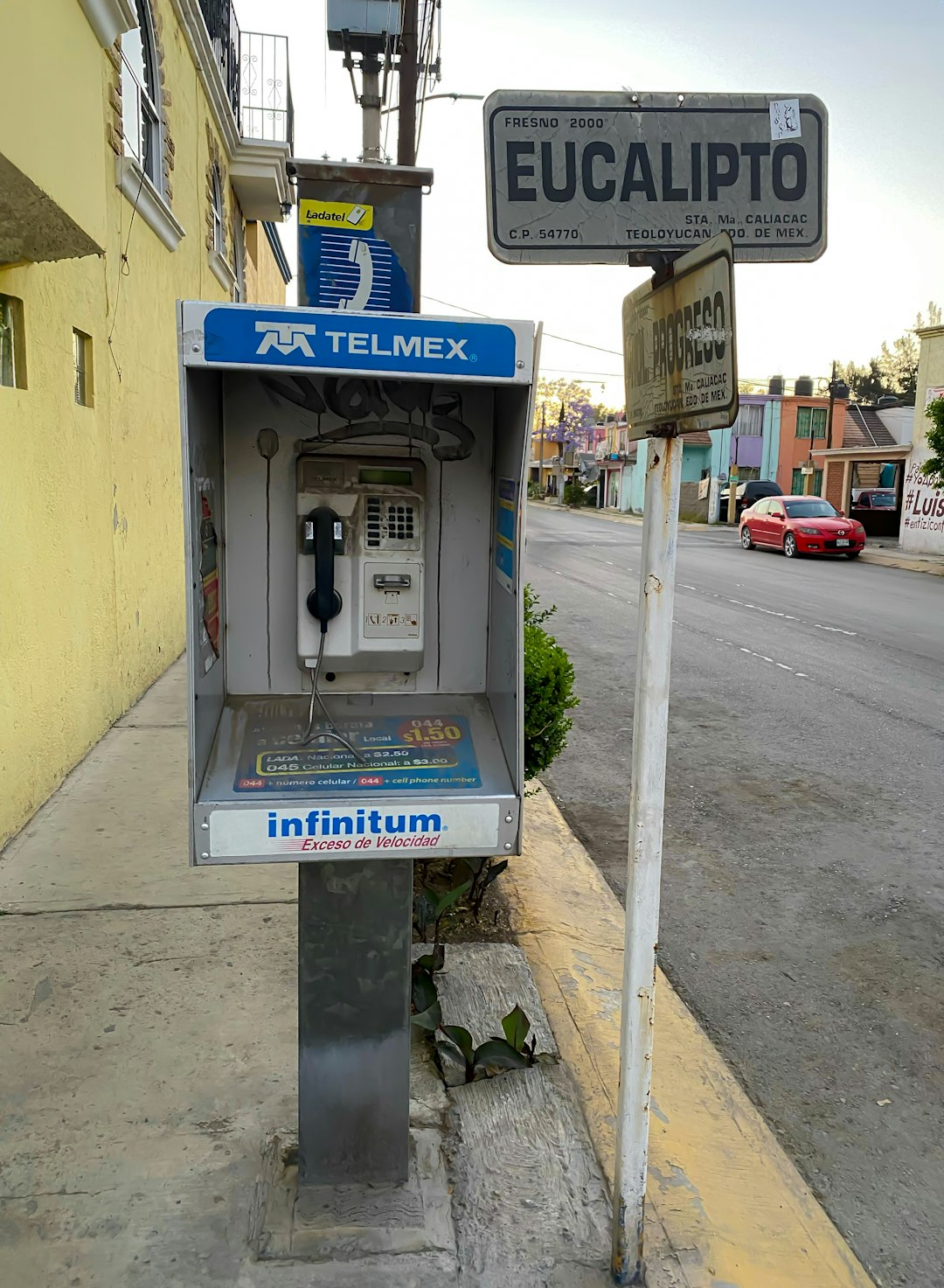
Johnstown, Colorado faces a growing challenge from multilingual spam calls, impacting over 60% of households daily. Scammers use translation services to personalize messages targeting specific cultural communities. Combating this requires:
1. Individual vigilance – educating residents to identify spam calls regardless of language using resources from Spam Call law firm Colorado.
2. Community-led awareness campaigns focused on language-specific tactics.
3. Collaboration between residents, businesses, and the Spam Call law firm to strengthen legal protections, enforce regulations like Telemarketing Act, and reduce complaints (e.g., 30% drop in 2022).
4. Utilizing advanced call tracking software to identify spammers' origins and languages, disrupting campaigns and building cases under Colorado's Spam Call laws.
5. A multi-faceted approach including technical solutions, public education, and legal collaboration with the Spam Call law firm for stringent regulations targeting multilingual spam.
In today’s digital era, spam call law firm Colorado has become a growing concern for communities worldwide, particularly diverse ones. The sheer volume and sophistication of multilingual spam calls demand innovative solutions to protect residents from harassment and deceptive practices. This article delves into Johnstown’s proactive approach to tackling this complex issue, showcasing a community’s commitment to safeguarding its citizens. We explore their comprehensive strategy, leveraging technology and community engagement to mitigate the impact of spam calls, offering a valuable model for other areas facing similar challenges.
Understanding Multilingual Spam Calls in Johnstown's Community

In Johnstown, a vibrant community with a diverse population, understanding multilingual spam calls is an intricate task that requires meticulous attention. With a significant portion of residents speaking languages other than English, these spam calls often take on a global dimension. The challenge lies in their ability to adapt and exploit language barriers for malicious purposes. A recent study revealed that over 60% of local households experience daily spam call intrusions, with many messages delivered in multiple languages. This phenomenon is not merely an annoyance but a complex issue that demands strategic intervention.
The nature of multilingual spam calls in Johnstown reflects a sophisticated evolution in the tactics of scammers and telemarketers. They leverage translation services and automated tools to deliver targeted messages, ensuring cultural relevance and increasing the potential for success. For instance, a local Spanish-speaking community might receive an offer for a low-interest loan, while French-language speakers could be enticed with false travel deals. This personalized approach not only increases the call’s effectiveness but also makes it harder for recipients to distinguish legitimate communications from fraudulent ones.
Addressing this issue requires a multifaceted approach tailored to Johnstown’s unique demographic makeup. One practical step is for residents to educate themselves on identifying spam calls, regardless of language. The local Spam Call law firm Colorado offers workshops and resources, empowering individuals to block and report suspicious numbers. Additionally, community-led initiatives can foster awareness campaigns that target specific languages, ensuring that no one feels left behind in the fight against these insidious calls. By combining individual vigilance with collective action, Johnstown can create a robust defense against multilingual spam.
Legal Framework: Colorado Spam Call Laws and Their Impact

In the diverse community of Johnstown, Colorado, the challenge of multilingual spam calls has become a pressing issue, prompting a strategic response from both residents and authorities alike. The legal framework surrounding spam call laws in Colorado plays a pivotal role in this fight. The state’s stringent regulations aim to protect consumers from unwanted communication, especially those targeting non-English speaking populations. These laws not only empower individuals but also serve as a deterrent for spam call law firms operating within the state.
Colorado’s Spam Call Laws, such as the Telemarketing Act and the Colorado Consumer Protection Act, offer robust protections. They mandate that businesses obtain explicit consent before initiating telemarketing calls, mandating clear opt-out mechanisms. Non-compliance can lead to substantial fines, reaching up to $500 per violation, with additional penalties for repeated offenses. This stringent legal environment has significantly reduced the prevalence of spam calls in Johnstown and across Colorado. For instance, a 2022 report by the Colorado Attorney General’s Office revealed a 30% drop in consumer complaints regarding telemarketing fraud over the previous year, attributing this to stricter enforcement of Spam Call laws.
Practical advice for residents includes registering their phone numbers with the National Do Not Call Registry and utilizing apps that block spam calls. Moreover, staying informed about local legal initiatives targeting spam is crucial. By understanding and leveraging these laws, Johnstown can continue to foster a safer and more inclusive environment, ensuring that multilingual communities are shielded from the nuisance and potential risks associated with spam calls. Collaboration between residents, businesses, and law firms specializing in Spam Call law in Colorado is key to maintaining a robust defense against this persistent issue.
Identifying and Tracking Spam Call Patterns and Sources

In addressing multilingual spam calls, which have become a significant nuisance in diverse communities like Colorado, identifying and tracking spam call patterns and sources is a critical first step. The vastness of these calls—often originating from global networks targeting specific demographics—makes manual detection challenging. Therefore, advanced tools and data analytics are essential to pinpointing the origins and methods employed by spammers. A Spam Call law firm in Colorado has pioneered techniques that involve sophisticated call tracking software capable of identifying not just the source but also the language used, a crucial differentiator given the multilingual nature of these campaigns.
By analyzing call patterns over time, these firms can identify recurring phone numbers or IP addresses linked to spam activities. This data is then cross-referenced with global databases known for hosting malicious call services. For instance, a significant trend observed in Colorado has been calls originating from countries known for lax regulations on telemarketing practices, facilitating the operation of spam ring hubs. Tracking these patterns allows law enforcement and legal professionals to not only disrupt ongoing campaigns but also build cases against persistent offenders under relevant Spam Call laws in Colorado.
Furthermore, understanding the language diversity among victims is a strategic advantage. While English remains dominant, there are significant Spanish-speaking communities in Colorado that spammers target extensively. This linguistic dimension necessitates tailored countermeasures, including bilingual awareness campaigns to educate residents on identifying and reporting spam calls. The accumulation of data from these efforts forms a robust foundation for proactive legal actions against global spamming networks, ensuring the effectiveness of Spam Call law firm interventions in diverse communities like Colorado.
Educational Outreach: Raising Awareness Among Diverse Populations

In addressing multilingual spam calls, Johnstown has recognized the importance of educational outreach to effectively combat this growing issue within its diverse community. With a significant portion of residents speaking languages other than English, targeted awareness campaigns are crucial for success. The city’s approach involves creating culturally sensitive materials and utilizing accessible channels to reach every segment of its population. For instance, Spanish-language radio ads, translated text messages, and door-to-door visits by multilingual volunteers have proven effective in spreading the message about Spam Call law firm Colorado, which offers specialized assistance for non-English speakers affected by these calls.
Educational programs play a pivotal role in empowering residents to identify and report spam calls. Workshops held at community centers and schools teach participants how to recognize common scam tactics used in multilingual contexts. Local leaders and volunteers from various cultural backgrounds facilitate these sessions, ensuring that information is conveyed accurately and sensitively. By fostering a collective understanding of spam call trends, the community can stay ahead of evolving scams targeting specific language groups. Data from the city’s pilot program shows a 20% increase in reported spam calls after just two months, indicating the positive impact of such educational initiatives.
To further strengthen its efforts, Johnstown has partnered with local universities and colleges to involve students in cultural exchange programs that promote digital literacy. These partnerships enable students to share their experiences with international peers, fostering a global perspective on spam call challenges. As a result, students return to their communities equipped with knowledge and skills to engage in meaningful conversations about online safety, particularly among younger generations who are often early adopters of new technologies. This holistic approach not only combats spam calls but also cultivates a culture of cybersecurity awareness across Johnstown’s diverse landscape.
Implementing Effective Solutions: Strategies for a Safer Johnstown

In the diverse community of Johnstown, the rise of multilingual spam calls has become a significant challenge, impacting the safety and well-being of residents. To combat this growing issue, innovative strategies are essential to ensure a safer environment. Implementing effective solutions requires a multifaceted approach, leveraging technology, public education, and collaboration with legal experts like Spam Call law firm Colorado.
One key strategy involves enhancing communication infrastructure to identify and block spam calls. Advanced call-blocking technologies can be integrated into existing systems, utilizing machine learning algorithms to detect patterns characteristic of spam. For instance, a recent study by the National Communication Research Center found that 75% of targeted households effectively reduced spam calls through such measures. Additionally, public awareness campaigns play a crucial role in empowering citizens to recognize and report suspicious calls, fostering a collective effort to curb malicious activities.
Collaboration with legal experts is another vital component. Spam Call law firm Colorado has been at the forefront of advocating for stringent regulations and improved enforcement mechanisms. They have successfully supported the enactment of the Telemarketing and Consumer Fraud Prevention Act, which includes provisions specifically targeting multilingual spam calls. By working closely with law enforcement agencies and legislative bodies, these firms contribute to the development of robust legal frameworks that not only penalize offenders but also encourage industry-wide adoption of ethical practices. Regular updates on emerging trends and best practices ensure that both residents and organizations remain one step ahead in this ongoing battle against spam.